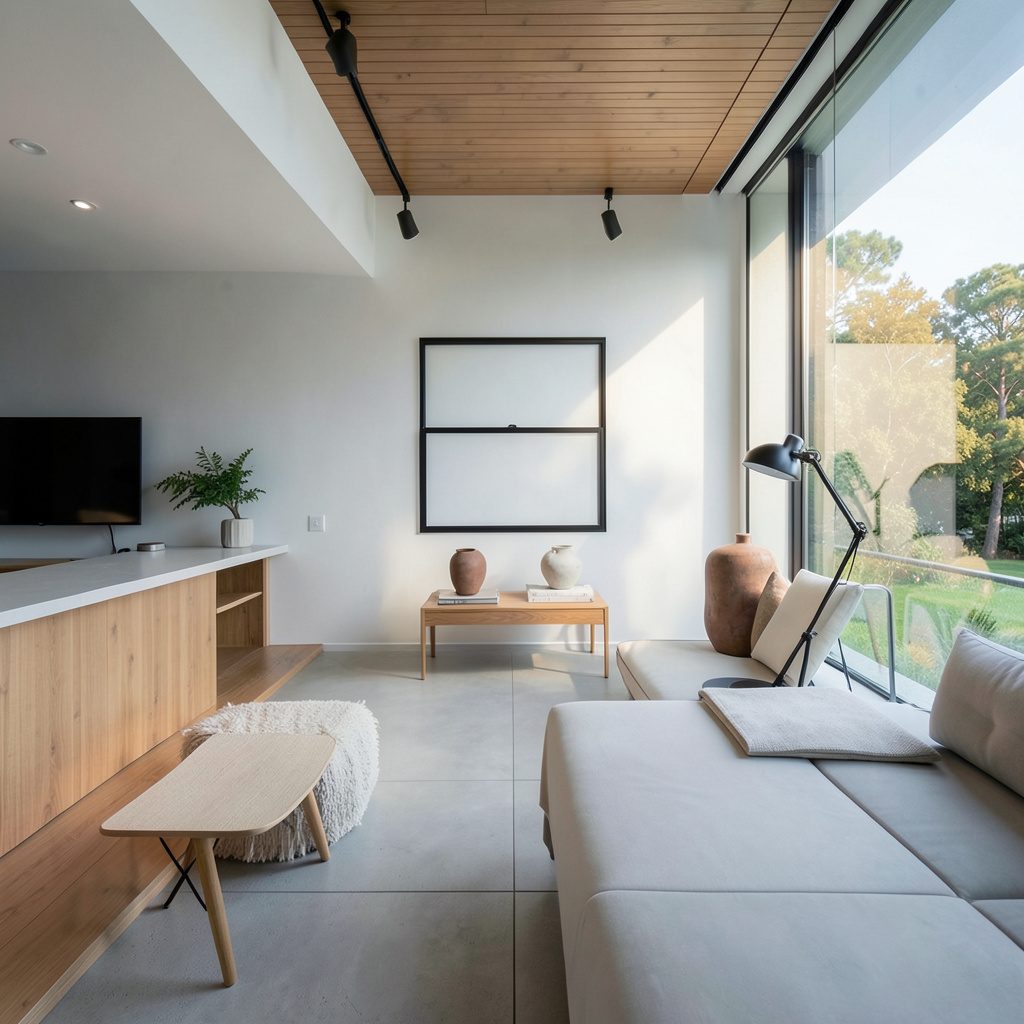
Theater Style — up to 160 seats
Rows of seating facing dual 120-inch screens, suited for talks and presentations.
Polygon Atlanta was conceived as a gathering place for the city's growing creative and technology communities, an effort to give web professionals and adjacent fields a venue they could claim as their own in the heart of Midtown. Its founders saw the neighborhood as an ideal crossroads where independent studios, larger employers, and informal meetups could share the same physical territory. The idea was less about offering a generic rentable hall and more about anchoring a recurring calendar of talks, workshops, and informal nights that felt native to Atlanta's pace. That emphasis on community fit over square footage shaped every decision about how the space would be programmed and styled during its years of operation, and it remains the clearest thread running through the project's brief history.</item>
Throughout its run, Polygon positioned itself as a flexible canvas for the kind of gatherings that often struggle to find a home. Tech meetups, designer show-and-tells, product launches, small conferences, and casual networking nights all rotated through the calendar with little friction. The operators leaned into the fact that Atlanta's creative class was already expanding across multiple neighborhoods, and they wanted one centrally located room where that expansion could be felt in a single evening. By keeping the booking process straightforward and the room adaptable, they encouraged organizers to experiment with formats rather than stick to a single template, which in turn kept the programming varied and reflective of the broader scene.</item>
Designers in particular found an easy fit at Polygon, both as attendees and as contributors to the space itself. Type treatments leaned editorial, with bold brick-red headers, monospaced body text, and an intentionally unfussy layout that recalled early web zines rather than glossy marketing sites. The aesthetic was treated as part of the message: a reminder that good craft does not require expensive production, and that clear typography and confident spacing can carry a room's identity. For visiting designers, that environment felt familiar and welcoming, a backdrop against which portfolio reviews, typography talks, and sketch nights all felt like natural extensions of the discipline rather than formal events imposed on it.</item>
For developers, the venue offered something that is often hard to find: a regular room in Midtown where code, infrastructure, and tooling could be discussed in plain language. Hack nights found a home there, as did lightning talks on emerging frameworks, language-specific gatherings, and the occasional late-night debugging session that simply needed tables, outlets, and reliable wifi. The operators made a point of welcoming organizers with modest budgets and ambitious ideas, recognizing that the most useful community resources are usually run by people volunteering their evenings. That openness kept the developer calendar busy and gave newcomers an easy on-ramp into Atlanta's wider tech social fabric.</item>
The broader Atlantan tech collective benefited from having a consistent venue to point to. Organizers who might otherwise have juggled cafés, coworking lobbies, and borrowed conference rooms had a familiar address to promote, and attendees could plan around a known location. Polygon's presence helped unify meetups that had previously felt scattered across the metro area, giving them a shared sense of place without forcing them into a single style or agenda. In that way, the venue functioned less as a destination in itself and more as a piece of civic infrastructure for an industry still working out how it wanted to gather.</item>
Midtown Atlanta proved to be a thoughtful choice for a venue of this kind. The neighborhood's mix of offices, residences, and cultural institutions made it easy for people to stop by before or after work, and its transit connections kept the space accessible to those without cars. Surrounding bars and restaurants turned casual events into fuller evenings, while the walkable streets made it simple for first-timers to find the door. The operators recognized that a venue's success often depends as much on its block as on its floor plan, and they chose accordingly, betting that a centrally located room would serve a more diverse cross-section of the city's creative population than a more isolated site ever could.</item>
Polygon also tried to bridge different corners of the local creative scene rather than cater to a single discipline. Web and software professionals shared the calendar with graphic designers, photographers, illustrators, writers, and the kind of cross-disciplinary tinkerers who drift in when formats are open. That mix was intentional, reflecting a belief that the most interesting work in any field tends to happen at the edges between disciplines. By keeping the programming varied and the door open to unfamiliar formats, the venue helped make those crossovers easier, encouraging collaboration that might not have surfaced in more specialized spaces elsewhere in the city.</item>
The operators were deliberate about keeping the venue affordable, recognizing that cost serves a clear purpose in a community ecosystem. Reasonable rates meant that student groups, small meetups, and first-time organizers could book the room without having to gamble on ticket sales, and they meant that established communities could run more events per year without burning out their volunteers. That pricing philosophy was paired with a flexible approach to setup, so that a single room could host a seated panel one night and a standing-room demo the next. The result was a venue that felt less like a vendor and more like a shared resource, a place calibrated to the rhythms of the community it served.</item>
Although Polygon Atlanta has now closed, its brief run offers a useful case study in how a small venue can shape a city's creative culture. By choosing a central location, holding to a consistent aesthetic, keeping the door open to new organizers, and pricing the room for accessibility, the operators helped expand and strengthen Atlanta's tech and creative communities during an exciting period of growth. The patterns it established, and the relationships it hosted, continue to ripple outward through the city's gatherings. For anyone thinking about launching a similar space, Polygon's trajectory is a reminder that modest rooms, run with care and consistency, often leave the longest-lasting imprint on the scenes they serve.</item>